
HUMANITAS INDUSTRY 101 PODCAST

Episode 7: Showrunning 101
This episode comes from a recent conversation from the Industry 101 online event series held on November 4, 2026. “Showrunning 101” featured writers and showrunners Mike Schur, J.J. Philbin, Greg Daniels, Michael Koman, and Sonja Warfield, and was moderated by writer and journalist Jeanie Bergen.
Between their work on The Office, The Paper, Parks and Rec, The Gilded Age, Only Murders in the Building, Saturday Night Live, Dave and more, this group is collectively responsible for around 1,300 episodes of television.
In the episode, they talk about showrunning, hiring, writers room roles, duties on set, leadership, and the state of the industry. Learn more about the event here.
-
Humanitas's Industry 101 is made possible with support from our series sponsor Sony Pictures Entertainment.
PANELISTS

Greg Daniels
Greg Daniels is a five-time Emmy-award-winning writer, showrunner, and director, responsible for several of the most iconic series and characters in television history.
Daniels developed The Office for American television, and created Upload, the number one half-hour show on Prime Video, which just wrapped its fourth season. He co-created Parks and Recreation, Space Force, the long-running animated hit King of the Hill, and the reality format My Mom, Your Dad, which has been produced in 11 countries. He directed the pilots of Parks and Recreation, Upload, The Paper, People of Earth, and over a dozen episodes of The Office.
Recently he teamed back up with Mike Judge to start Bandera Entertainment, which is making animated shows for Hulu, Peacock, Netflix, Freeform, Comedy Central, and Adult Swim.
Early in his career, Daniels wrote for Saturday Night Live, Seinfeld, and The Simpsons, where he wrote 3 of the 10 most popular episodes according to a TV Guide poll. For several years, between The Office and Parks and Recreation, he was responsible for about 10 percent of all viewing on Netflix.

Michael Koman
Michael Koman is the Co-Creator of Peacock's new series set in The Office universe. Previously, Michael was an Executive Producer on How To with John Wilson for HBO, an Executive Producer and Co-Creator of Comedy Central’s Nathan for You, a Co-Executive Producer on GIRLS5EVA at Peacock and a Writer on Saturday Night Live and Late Night with Conan O’Brien. He also Co-Created and was the Co-Showrunner of Eagleheart, starring Chris Elliott, which ran for three seasons on Adult Swim.
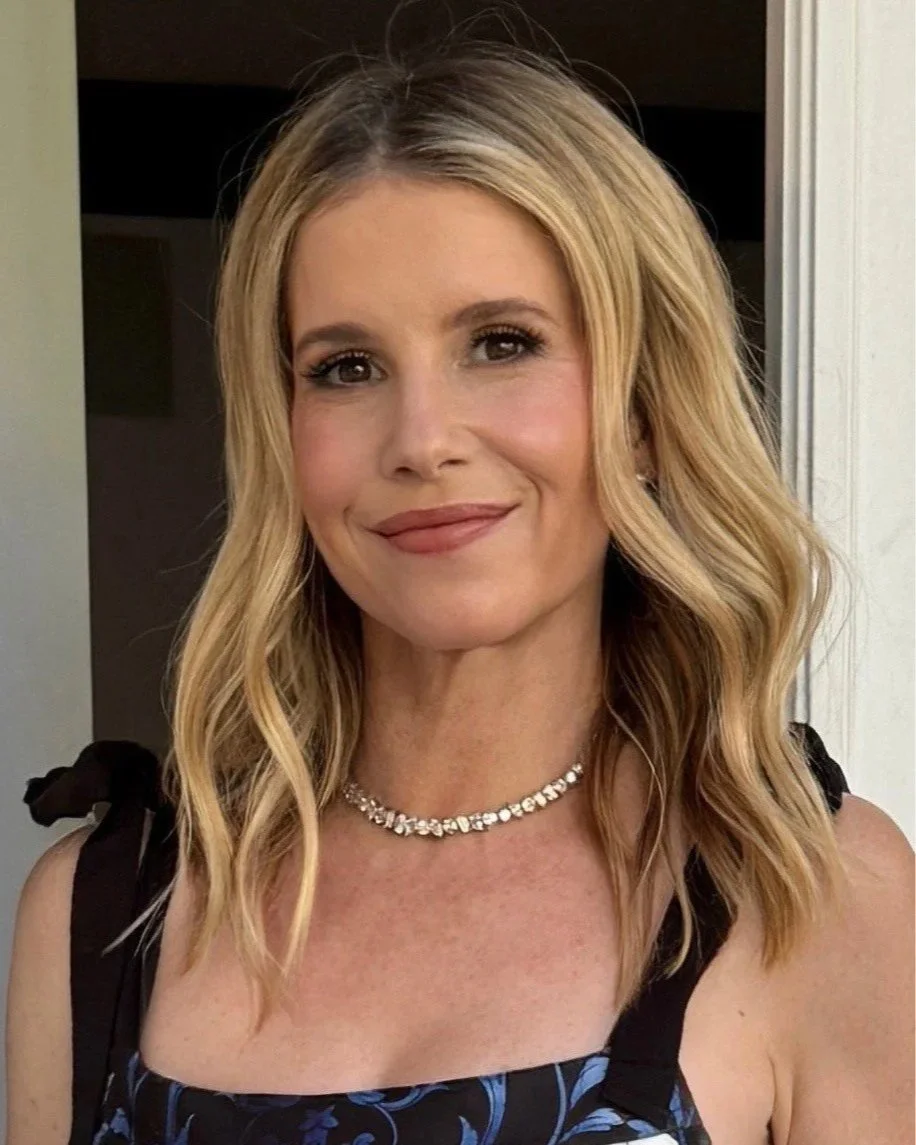
J.J. Philbin
J.J. Philbin currently serves as co-showrunner and Executive Producer of the upcoming comedy Dig. She co-created the ABC comedy Single Parents and has written and produced series including Only Murders in the Building, New Girl, and The O.C. J.J. began her career as a writer on Saturday Night Live.

Michael Schur
Michael Schur created the critically acclaimed comedies The Good Place and A Man On The Inside, and co-created Parks and Recreation, Brooklyn 99, and the upcoming Dig with Amy Poehler. He has also served as Executive Producer on shows like Hacks and Master of None. Prior to Parks, Michael began his career on Saturday Night Live, and then spent four years as a writer-producer on the Emmy Award-winning NBC hit The Office.
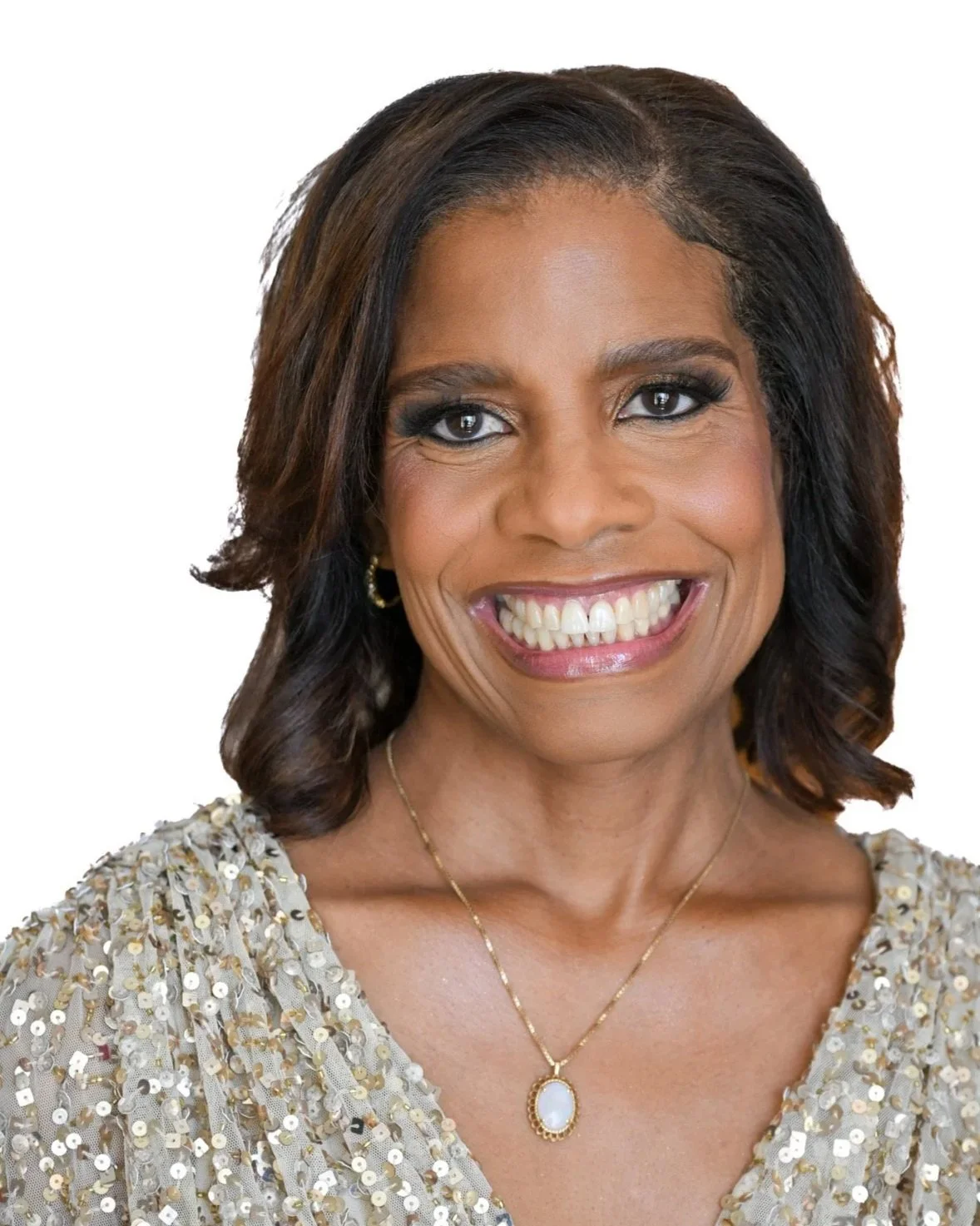
Sonja Warfield
Sonja Warfield is a television writer/producer and author. Currently, she’s the Emmy-nominated Co-Showrunner and Executive Producer for HBO’s highly awarded drama, The Gilded Age. Season four premieres on November 1. Some of her other credits include her work on the Emmy Award-winning NBC sitcom Will & Grace as well as BET’s hit comedy The Game.
Over the course of her 20+ year career, Sonja’s also earned credits from a diverse range of television shows including Disney Channel’s popular Liv and Maddie; BET’s Zoe Ever After, which featured pop star Brandy; the animated series She-Ra for Dreamworks/Netflix, where she also penned an original song; and the ABC comedy Jake in Progress. She’s developed and written pilots/projects for ABC, NBC, Netflix, Amazon, Nickelodeon, Lifetime, Universal TV, Sony Pictures Television, and HBO.
Sonja is the mother of an artist; the daughter of an NFL Hall of Fame football player, and she’s a former debutante (but don’t hold that against her). Sonja is a part-time stand-up comedian. She’s performed at The Comedy Store, The Laugh Factory, and The Ice House. These days, though, she performs mostly in her kitchen.
She has a B.A. in Cinema/Television-Critical Studies from the University of Southern California where she has taught television writing.
Sonja is represented by Anonymous Content and Myman Greenspan Fox Rosenberg Mobasser Younger & White.
MODERATOR
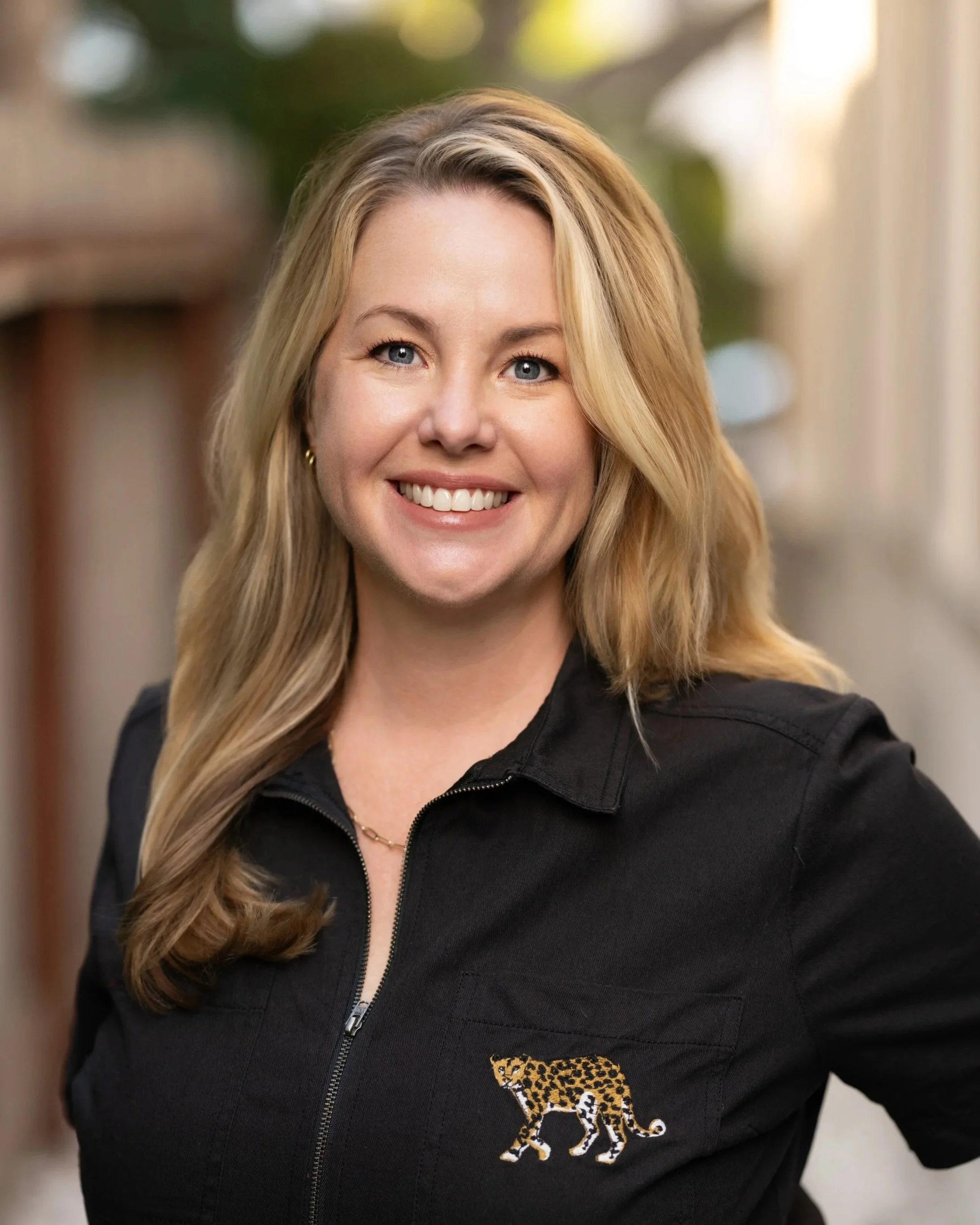
Jeanie Bergen
Jeanie Bergen is a graduate of the Writers Guild of America 2026 Showrunner Training Program. She sold her original half-hour pilot, Sorry Your Dad Sucks, to Netflix, where she is now under a blind deal. Jeanie’s credits include Vladimir, Dave, Kings of America, Mr. Corman, and One Mississippi. She sold her autobiographical comedy, E Is for Edie, about her experience becoming her sister’s guardian in 2018, which was also featured on Aaron Sorkin’s Masterclass. Prior to writing for television, she was a three-time Emmy award-winning journalist. She has studied improv and sketch comedy at The Groundlings and is the creator of the live storytelling show, Happy Holidays! Our Parents are Dead. Jeanie is a graduate of USC’s MFA Writing for Screen & Television program where she now teaches screenwriting.
LISTEN AND SUBSCRIBE:






EPISODE TRANSCRIPT:
00;00;06;08 - 00;01;37;00
MICHELLE FRANKE
Welcome to Humanitas's Industry 101 Podcast. I’m Michelle Franke, Executive Director of Humanitas.
Industry 101 is a conversation series that introduces topics foundational to understanding and launching television and film writing careers.
Humanitas has a long history of presenting conversations and workshops for writers exploring craft and career issues. Industry 101 is a continuation of that work. It includes our online event series, in-person events, and this podcast, which will present both new episodes and conversations from our archives, highlighting our history.
Today we’re pleased to be releasing a recent conversation from the Industry 101 online event series held on November 4, 2026.
“Show Running 101” featured writers and showrunners Mike Schur, JJ Philbin, Greg Daniels, Michael Koman, and Sonja Warfield, and was moderated by writer and journalist Jeanie Bergen.
Between their work on The Office, The Paper, Parks and Rec, The Gilded Age, Only Murders in the Building, Saturday Night Live, Dave and more, this group is collectively responsible for around 1300 episodes of television.
In the episode, they talk about showrunning, hiring, writers room roles, duties on set, leadership, and the state of the industry. After the event, we heard from many attendees how helpful the conversation was, so we’re excited to share it with you.
And now, here’s moderator, Jeanie Bergen.
[MUSIC]
00;01;24;18 - 00;02;06;24
JEANIE BERGEN
Hi, my name is Jeannie Bergen. I'm so happy to have everyone here tonight. My intention for tonight is really to have an open, honest and fun conversation. Michael Schur recently spoke to us at the Showrunner training program, and what he said was, if you're not having fun, you're doing it wrong.
So that is my hope for this evening. I am extremely nervous because we really do have an embarrassment of riches and some of the best talent working. To to speak to us tonight and share with us what they, what they know, in a very basic sense of just like the first, the first thing. What is a showrunner and did you know what a showrunner was when you were called to do the job?
Anyone can take that.
00;02;06;26 - 00;02;09;19
MICHAEL SCHUR
Greg.
00;02;09;21 - 00;02;47;22
GREG DANIELS
Yes. Well, the showrunner is like the director of a movie, but in television, it's the the person who the studio hires to be the captain of the of the ship that they've put all their, their wares on that, you know, like in the story going, going sound an analogy. But you know how in like the times of, you know, the 1700s or something like the people would all be excited to send a ship to go to the East Indies and come back with spice or something like that. And, and there was a captain of the ship. That's, that's what the showrunner is.
00;02;47;25 - 00;02;58;05
MICHAEL KOMAN
And the showrunner is in charge of creating relatable metaphors. Yeah. That's the number one thing about spices. Yeah.
00;02;58;08 - 00;03;02;17
GREG DANIELS
I didn't volunteer to answer this. I just went out.
00;03;02;20 - 00;03;10;27
JEANIE BERGEN
What are some of the duties of a showrunner? What are the main duties, if not everything? On running a show? Someone could walk us through that.
00;03;11;00 - 00;03;15;13
MICHAEL KOMAN
Oh, Mike?
Mike Schur
Greg. No.
00;03;15;15 - 00;03;22;14
MIKE SCHUR
I mean, it's sort of everything. It's sort of the final decision maker for every, you know, certainly the scripts,
00;03;22;16 - 00;03;23;28
JJ PHILBIN
Running the writers room.
00;03;23;28 - 00;04;16;26
MIKE SCHUR
Running the writers room and, and rewriting the scripts and making all those decisions. But then also, you know, when the costume department comes and says, you know, what color shirt do you want the character to be wearing? You are the one who has to say the blue and, Same with props and with, you know, you, you hire, department heads, the director of photography and the department heads of all the different departments in association with your line producer.
And then you're the one who's sort of they come to for a final decision on everything. So it really is a sort of like, I think of it as white House chief of staff slash president, I guess, where it's just a constant barrage of decision making matrices that you're forced to kind of negotiate and come to a conclusion on, to keep the whole, to keep the spice laden ship moving on the right course, at the same at the at a steady speed of 28 knots.
00;04;16;29 - 00;04;29;08
MICHAEL KOMAN
I ask because Sonja, I mean, I like to Gilded Age a lot. So if you're running a show like that. How do you does one person oversee, like costuming? Like historical accuracy? How do you do?
00;04;29;09 - 00;04;30;16
MIKE SCHUR
That's a great question.
00;04;30;19 - 00;05;47;03
SONJA WARFIELD
Well. Well, I run the show with Julian Fellowes, who has this working knowledge of that time period. But we have, a historical, consultant who is our co-executive producer. Doctor Erica Dunbar, who, if we have any questions about anything historical, we go to her. Also, all of our department heads do a lot of research. Everyone does research.
So our, production designer does research in the time period, and he's just a genius. We're. Bob Shaw is an Emmy winning. He's won Emmys for our show and other shows. So he actually educates us. He educates me on what's time appropriate, time period appropriate. And we have an amazing costume, designer. And so it's a it's a heavy lift in terms of knowing the history and getting that right.
We also we've we've also all been together for a long time. We started this in 2020. And so we all have learned something. And we know more about the time period.
00;05;47;05 - 00;06;03;07
JEANIE BERGEN
And all of you are actually in positions of co-showrunning. Can you speak about the the the balance of I mean, I feel like that's a very delicate relationship running a show with someone else. Can you speak to that? The challenge of it and also the benefits.
00;06;03;09 - 00;06;55;05
J.J. PHILBIN
I mean. I would say that it is far and away better than doing it by yourself. It's I mean, it's very scary to be out there, I think completely alone. And it's sort of like that. You have that person at the end of the day to be like, you feel good about this story, okay, I do too. And then you sort of feel like you can proceed.
Obviously you are constantly having to work things out and to, you know, disagree from time to time. But it does seem like that leads to discussions of like the story or whatever the problem is seems to get better because we have like analyzed it from another perspective instead of just one person, sort of barreling forward with their POV. I don't know, unless you see it totally differently, Mike.
00;06;55;07 - 00;08;30;13
MIKE SCHUR
Well, in our case, it also helps that we're married. And so there's a there's like a fun aspect of it currently on the show we're working on together where like we go to the writers room and we talk about everything just like normal, and then like, we'll go home and we'll like walk our dogs and like, continue to kind of talk about it.
A in a less sort of stressful environment. And that has proven to be really fruitful. I think, like we've come to a lot of good decisions when we're like, not on the clock. So I've personally I've very frequently done this. My first job as a showrunner was co-showrunner Parks and Recreation with Greg Daniels, which we did for a while.
And then I co-showran Brooklyn Nine-Nine with Dan Gore, my friend Dan Gore, before passing that off to him. And, and so I, I'm this is not new for me. In fact, it's sort of the way I learned how to do it. And I learned from Greg, who had been the showrunner of The Office, which was my first job.
So it was it was a very smooth, sort of like nice dovetailing job for me to go from, like working for Greg to like developing a show with him and then him sort of taking the exit ramp. And then same with me and Dan. I sort of ran Brooklyn with him, and then I sort of veered off and he kept going.
I find it really fun. I think it's like as long as everyone's on the same team and you're not like, you know, adversarial or something, it it's a very hard job. And it helps to have a friend or a or spouse.
00;08;30;16 - 00;08;59;25
MICHAEL KOMAN
Yeah. I mean, yeah, the only thing I could even think that is I think it's probably pretty easy and pleasurable if your sensibilities match, if you tend to like the same things and find the same things funny, then it's like you have two brains working on the same job and two sets of ideas that are probably going to, you know, be liked by both people.
I can't imagine what it's like if you didn't get along with the person you were working with or that you had different, like just taste in different kind of comedy, or that would be a nightmare.
00;08;59;25 - 00;09;02;02
MIKE SCHUR
But literal nightmare. Yeah, yeah.
00;09;02;08 - 00;09;26;21
J.J. PHILBIN
And it sort of seems like all of TV is collaborative. You're in a writers room talking through ideas all day, then you're on set with a whole bunch of people trying to, like, make sure that you all see the scene the same way. It's it seems like, you know, you're always in conversation. So it's a natural extension, I think, of how it already works.
00;09;26;23 - 00;09;47;23
JEANIE BERGEN
In terms.
00;09;47;23 - 00;09;52;27
MICHAEL KOMAN
I mean, I think if there's one thing like when you're talking about what is a showrunner and just as much from observation as from doing it, I really do think it's like the only thing that separates the showrunner from the rest of the staff, really, is that somebody is ultimately in charge of the tone, and you're making sure that the tone of the story stays consistent, and also the tone of, like, the working environment that everybody's in and, you know, you want it to be a place where people enjoy coming to work.
00;09;53;00 - 00;10;08;14
JEANIE BERGEN
And then in terms of capturing the voice of the show, when you have two showrunners, how how are you determining the voice? Is it, you know, is it both of you or is it, you know, are you both taking passes? Are you splitting the passes on the scripts, assuming all of you are working differently?
00;10;08;17 - 00;10;43;20
GREG DANIELS
Well, my experience, if you if you co-written the pilot, the show voice is a mingling of two voices and, you know, it's it becomes a maybe a bigger challenge to say, like, how do you maintain the voice if one person leaves because there's, you know, there's there's jokes that I know Koman is going to deliver that, that I can't do. And it's part of the DNA of the show, you know, and play subversive, probably.
00;10;43;22 - 00;10;50;17
SONJA WARFIELD
Yeah. Well, in working with Julien, he wrote the pilot and so I came on board after.
00;10;50;22 - 00;10;55;21
GREG DANIELS
Sorry about that.
00;10;55;23 - 00;11;52;08
SONJA WARFIELD
Well, I mean, he wrote the pilot, so I came on board later and, and it's interesting to hear JJ and Michael talk about it because their process, I, I literally went to England, which is where Julien lives and like, hung out his house with him and spent a lot of time with him, with his family, because the voice of the show, you know, he was the voice of the show.
And I got to add to that. But we would sort of do the same thing, like over breakfast. We would just kind of, you know, talk about some of the characters or talk about something we wanted to happen in the narrative. And I'd go up and write notes and, you know, at dinner we would talk a little bit more and it would became very casual and natural.
00;11;52;10 - 00;12;23;29
GREG DANIELS
Yeah. I think, by the way, I would say that there's no one way to be a show runner, no one way to run a show. And I've worked with different people and collaborated different ways. And one thing I've noticed is that, the writing staff, when it gels, makes sort of a group brain, and that's where the tone of the show often comes.
And, you know, you don't have to have been there for the beginning to turn the, you know, joined the group, group brain.
00;12;23;29 - 00;12;51;25
JEANIE BERGEN
So and can you speak to that creating, building a safe environment in the writers room. And I know Michael. Michael Schur has spoken about keeping people in creative mode versus survival mode. Can all of you speak to how you build safe environments in your room and keeping that creative energy going? It could be from the hiring process or even just actually what you're doing in the physical space of the room.
00;12;51;27 - 00;12;53;09
GREG DANIELS
I was going to say, if you've ever thrown a party, it's kind of like you're throwing a party every day and you got to make sure everybody feels listened to and that, you know, people aren't talking exclusively. And, you know, you just have to be sensitive to to that everybody's, you know, participating and feeling heard.
00;13;17;27 - 00;13;20;08
MICHAEL KOMAN
I think it's a very. Oh I'm sorry.
00;13;20;13 00;13;22;09
J.J. PHILBIN
You know, go ahead. Go ahead.
00;13;22;11 - 00;14;21;24
MICHAEL KOMAN
I was just going to say it's very easy, I think, to start talking. And when you don't really realize maybe people are being differential to you. And being quiet because they don't feel comfortable sharing their opinion. So I think in a way, it's, one of the most important things is like kind of knowing when to shut up and, you know, encourage other people to share their ideas because they might have a lot of ideas that they don't know if you're interested in.
And it's like it doesn't seem reasonable that you know, the you you would you would think that if anybody has anything, it would come right out. But, it's very easy to forget about that people. You know, this is a strange dynamic. You know, there's ten people sitting around in a circle who talks when. What's worth saying? People don't want to say something if it's not going to be helpful.
So, you know, just letting people know that, you know, just really encouragement is, I think, the important thing.
00;14;21;26 - 00;15;13;17
J.J. PHILBIN
I think that's so true. And I feel like, you know, how to get people over there. Shyness around pitching is half the battle. Because I do think a lot of times people are sitting on great ideas, and it's about making sure that everyone's comfortable enough to share them. And, I think, you know, in the rooms I've been in, we've spent like, probably more time than we should fucking around.
But it does feel useful because I think as people share stories from their lives, it can inspire some really, you know, good ideas for for our scripts. And also just a natural intimacy is built and then people don't feel as self-conscious sharing an idea, even if maybe they're not totally sure about it.
00;15;13;19 - 00;18;19;27
MIKE SCHUR
I think the best thing about the way that the system has, typically worked is that you start, you know, a sort of a low level, and you're completely terrified and and really anxious. And, I mean, if you're if you're me, I'll speak for myself. And then, you know, you you slowly but surely kind of work your way up and you get your footing and you learn the difference between like a helpful pitch and a less helpful pitch and, and then, you know, you keep going.
And by the time you're a showrunner, if you're paying attention, if someone exhibits a certain kind of behavior in the room, you have a institutional memory of like, oh, I, I remember, I know what that person's feeling. That was me when I was freaked out, when I was like a young writer. And, you are at least able, in theory, to kind of or get familiar with, like what the particular anxiety is.
And different people have different anxieties in a room. It's a very vulnerable place. So some people think, like, I just got to talk all the time. If I just talk all the time, then the showrunner will register the sound of my voice as having contributed to the environment. Some people never talk because they're just too afraid that something they say might be wrong or not on topic or whatever, and it's one of the more difficult aspects of the job is like is like being having your antenna up and being sensitive to the particular ways that different people work in that creative sort of environment.
Greg, when I was on The Office, Greg was very, very good at like just sensing, I think when people were not feeling like their at, they were at their best or not like they're like they were in a cold streak or something. And he used to do this thing where, someone maybe would pitch a joke that, like, wasn't quite exactly right for the situation.
But if Greg was at the computer, he would type the joke in to the script, even if he then said immediately, like, I don't think this is quite right for this particular reason. And then he would sort of like erase it or, or move it down the, the line or something. But sometimes that's all it took to make someone relax a little bit was just to pitch a joke and to see it, like on have the showrunner kind of enter the joke on into the script.
And, you know, for the record, I, I realized this was a thing that Greg did because he did it to me and I felt good about myself and was like, wait a second, he's pulling this trick, what he did to someone else. But the point is like it was a good technique, for it's a simple way to like, make someone who is in is not maybe fully in their creative bloom.
Just have like a like release the steam a little bit from there from the vent and and feel a little better about themselves. So there's a million different ways to do it. But I think it's very important as a showrunner that you're constantly sort of attuned to the particular personalities in the room and how they how they differ creatively because you want everyone to the best of everyone's ability, sort of firing on all cylinders at all times.
00;18;19;27 - 00;18;22;15
MIKE SCHUR
It's not an easy thing to achieve.
00;18;22;17 - 00;19;08;29
SONJA WARFIELD
When I was on Will and Grace, which which was my first job, we had assigned seating and Jeff Greenstein and Jodi Marchenko, who were running it. I was my assigned seat was next to Jeff. And so as a staff writer, baby writer, I could if I didn't feel confident enough to pitch, you know, to pitch out loud to the entire staff, I would pitch it and Jeff would hear it because he was sitting right next to me, and then he would encourage me to pitch that. Or Joni, who was like a couple, you know, people away. She would say, pitch that, honey. That's a good one, you know? So so that was the assigned seating was very helpful.
00;19;09;00 - 00;19;14;26
MIKE SCHUR
I, like you, were like a lawyer in a Senate confirmation hearing, like being like, yeah.
00;19;14;29 - 00;19;16;28
SONJA WARFIELD
Say that, that’s good.
00;19;17;01 - 00;19;19;26
MICHAEL KOMAN
I know that's that's what Neil Simon was famous for doing.
00;19;19;28 - 00;19;20;24
SONJA WARFIELD
Oh, really?
00;19;21;01 - 00;19;22;16
MICHAEL KOMAN
Yeah.
00;19;22;19 - 00;19;26;07
MIKE SCHUR
For being the one who, who quietly pitched or for.
00;19;26;09 - 00;19;50;05
MICHAEL KOMAN
The like the the like the little mumbling because he wasn't confident. And so he would say it to whoever was next to him. And if it was good, I think in a way it was a tricky thing to do because it was like that way somebody would be more responsible for the idea getting out, and if it was bad, it wouldn't bear it.
Yeah. But then like, you know, like, all right, if the guy repeats it, then I know it's good, but it's a, it's a good method. It's starting.
00;19;50;07 - 00;21;16;21
GREG DANIELS
I don't want to, say anything negative, but I do want to be truthful. There's, I just had this memory of when I was on staff, like, early 90s on a big show, 16 writers. And there was a time when the showrunner was kind of irritable and was a little sarcastic when people pitched bad things and about, you know, probably 12 of the writers didn't say anything in the room that they just shut down.
And I remember making the mental picture. I don't know if you know this toy. It was a toy when I was growing up called a Weeble. It's basically like a punching bag with sand on the bottom and a face on it. And so, you know, in order to keep pitching, I had this mental picture that I was a Weeble, and I would say my pitch and the showrunner would knock me over and I'd kind of bounce up and say, another pitch.
And that was just my job, was to keep pitching and not worrying about getting knocked over. Yeah, Webble's wobble, but they don't fall down somebody. And, you know, on some level, like you can blame the showrunner, but also if you're on a staff, it's a job and you're being paid to contribute and, you know, you got to find a way to somehow contribute, even if it's a not a wonderful environment.
00;21;16;23 - 00;21;47;21
MICHAEL KOMAN
Yeah. I mean, the thing that I was the most surprised by was sometimes if somebody was really quiet, I would think, like, maybe they just don't like this show or like there's something about this or totally not enjoying. But then if they went off and wrote an assignment or something or just work by themselves, they'd come back and he'd be these big ideas that, like, were well written and really well thought out.
And I for some reason, I was just very surprised, like, oh my God, they they're extremely enthusiastic about this. I just don't want to talk.
00;21;47;24 - 00;22;36;04
J.J. PHILBIN
It's it's really just about, I think, feeling comfortable talking out loud in a room. Certainly had the experience many times of getting emails at night saying, you know, we were talking about this story earlier today, and I just I didn't I didn't just missed the moment or I didn't feel comfortable at the time, but I did just want to get this in your ear.
And sometimes it's a it's a good way to do it because then you know, you're home. And it's not like the chaos of the room with the million pitches. And you can kind of like, think about it as you're like getting ready for bed. And then you come in the next day and it sort of is in the back of your head and finds its way into discussion. So I do think it's about just communicating somehow. If you have a thought.
00;22;36;06 - 00;22;45;20
JEANIE BERGEN
I feel like I've done that before and then I've gotten in trouble. And, you know, I've gotten in trouble for not speaking of in a room. So all of you are speaking to this, but it was because I was scared to death. And especially when you're working.
00;22;45;26 - 00;23;07;22
J.J. PHILBIN
It can be a good way to get started you know, like if, if it's you need to get your feet wet somehow, it can be a non scary way to put yourself out there. And then, you know, if you get that validation of like, oh, I got your email. And that was, you know, I totally hear what you're saying. Then maybe the next time you have an idea you feel comfortable saying it out loud.
00;23;07;24 - 00;23;53;00
JEANIE BERGEN
And then as showrunners you're also obviously in charge of hiring the hiring all of your writers and staffing a room. Can you speak to that process. What you're looking for, you know, is it I think there's often a perception, especially now rooms are smaller, a lot of upper level staff. Staff writers, and very few jobs for lower level writers.
And there's this perception of “Oh showrunners are only hiring their friends.” Do you think that that. Have you found that to be true? Is there a reason why showrunners like I think of, you know, if my show goes, the first person I'm hiring is the person I've been collaborating with for ten years and who I have a shorthand with.
So can you can you speak to that? I know that's a bit a lot of questions. And one of hiring the room. Is it a matter of only hiring friends?
00;23;53;02 - 00;24;29;08
GREG DANIELS
Well, this show that Koman and I are working on, the room that we're in right now. I've never worked with any of them before this show, and I feel like it's it's I've had I've been burned once, early in my career, hiring a friend because I feel like it's very hard to fire a friend. And they also tend to take advantage right away.
They start like, leave. There's endless excuses like, you know, you know, my wife, you know, she's got a or whatever it is, right? Or I've got a kid and you just don't feel comfortable. Preventing that.
00;24;29;10 - 00;24;33;10
MIKE SCHUR
But that was when you hired Elizabeth Holmes, which we all knew at the time was a mistake.
00;24;33;14 - 00;25;37;28
GREG DANIELS
Yeah, well, she had such a good spec, but the way the way it works is, you know, basically, like you, it's different later in the show versus the first season of the show, right? So the first season of the show, you're starting from scratch and you get like a hundred spec scripts and, you know, you ask all the agents, send me everything, send me everything.
In general, I feel like you always feel better about staff writers. Well, maybe not so much now. Actually, there have been changes in the guild so that the cost difference between a staff writer and, you know, a supervising producer, actually not a staff writer, but a story editor and a supervising producer pretty much cost the same nowadays. They used to be a big difference when it was, you know, people had quotes that kept rising.
And back in those days especially, I always felt better about the staff writers because I knew I was paying a fraction for the for whatever they were. You know, they usually produced, you know, 80% of what the co-op was producing. And yet they.
00;25;37;28 - 00;25;43;05
MICHAEL KOMAN
Greg keeps a meter running by the. Yeah. Each member of the writing staff. Yeah.
00;25;43;06 - 00;26;52;04
GREG DANIELS
So so you read 100 scripts, you might find 20 that you really like. You consider a plus. And just as a piece of advice to writers, I think a lot of times writers write a spec script and they keep working on it until it's as good as an episode of TV that they see on TV. But a good spec script has to be an awful lot better than what you see on TV, because the process of friction and everything that happens in TV tends to there's so many compromises, you know, and so you really need to have like an A plus script.
And every time I've ever read an A+ script and I call immediately and often, they're already hired somewhere else. So I would say like, Mike, if you remember Justin Spitzer's script on The Office, like he did his brilliant scrubs, episode, I think. And I called immediately, and somebody had hired him, and I took a year before his other show until I got him.
And I remember there was a team, Marcel and Johnson. I still think about him because,
00;26;52;06 - 00;26;53;17
MIKE SCHUR
The ones that got away. Yeah.
00;26;53;18 - 00;27;09;22
GREG DANIELS
I wanted to hire him for King of the Hill, and I called immediately, and they had just been hired at NewsRadio. And, you know, it's just like, if you're if you have a really a plus plus script. Everybody can see and they all swoop in on them.
00;27;09;22 - 00;27;55;01
MICHAEL KOMAN
And do you think it's like a common when you read a really good script that when you talk to the person, it turns out that they really put something from their life into the script or there's something they really know about. I feel like the ones that are excellent tend to have a lot of the real person in them, and not that it necessarily has to be autobiographical, but most of the time I just feel like it's an introduction of you.
So it's like the more it reflects your sense of humor, but also just, you know, something that feels like you know about it when you write about it. It's whatever makes a good piece of writing. But, that is that weird thing where it is as much like an introduction of the person as it is, a story.
00;27;55;03 - 00;29;29;20
MIKE SCHUR
I think that's kind of the key to me is like a lot of people can, you know, you can learn the rules of screenwriting and, and, you can funny person. And you read a bunch of stuff and you watch a lot of TV and you can write a very, like, competent, like, well executed spec script or original pilot or whatever.
The things that have always, kind of grabbed me were things that felt like there was a voice there that was that was not replicable, like, in like 2010 or 11, we were hiring people at Parks and Rec, and I read this spec script and on, literally on page two, I wrote, hire her, like at the top, like on the second page, because I was just like on the it was instantly so funny and specific and weird.
And, it was the the script was Widow's Bay, by Katie Dipold’s script that she had written as a and it was like it was. So I mean, I literally think she wrote it on like in Microsoft Word, like without even a template, like the, the, the it wasn't like a final draft script. It was like that everything was like left justified.
And it was just like the, you know, a big capital letter name and then a line. But she was writing like a horror parody, comedy parody thing, and it was so weird and cool. And, and that's when we hired her. She was, I think, I don't know where she was at the time. I don't think she had worked on a show before, but.
00;29;29;21 - 00;29;31;05
GREG DANIELS
She was improv.
00;29;31;08 - 00;29;33;12
MIKE SCHUR
Yeah, she was like a UCB person out here.
00;29;33;16 - 00;29;36;04
MICHAEL KOMAN
It's so funny. She was an intern at Conan.
00;29;36;05 - 00;29;37;18
MIKE SCHUR
That's right, that's right. Yeah.
00;29;37;18 - 00;29;42;13
MICHAEL KOMAN
That's right. And then I think I think she worked at an MadTV. I think the place before she.
00;29;42;17 - 00;31;01;20
MIKE SCHUR
So that might have been where she was. Yeah. But there I just remember it so clearly. Emily was the same way. Do you remember reading her scripts, Greg? Like she just has this voice. That's not that you don't see anywhere, and I. I guess if there is an advice component to this, I would say like, don't don't hone down whatever your particular like worldview is your or your comedy voice or anything because you think you want to try to like, get closer to like what you see on TV.
Like, I think the things that stand out, especially when you're reading like a ton of scripts, one after another, the things that stand out are the ones where like there's a there's a person behind it, there's like a unique voice and a unique person. It just makes you feel. I'll quote Greg again, he used to say, like, you can teach anyone how to, like, figure out like what an act break is, or like how to escalate a plot or how to, like, come up with good twists and turns in a story.
But you can't teach voice like it's just a thing that you have to have your on your own. So I would say, you know, Greg's to me, the A plus script that Greg is talking about is one that just feels very authentic and very like, this is what I think is funny, and I'm not going to worry about whether that matches the current TV landscape or something like that.
00;31;01;23 - 00;31;06;06
MICHAEL KOMAN
Yeah, that's the greatest is when a person sharing what they find funny that.
00;31;06;08 - 00;31;10;09
MIKE SCHUR
Yeah, it's the best.
00;31;10;11 - 00;32;34;27
GREG DANIELS
I would I would add to that. I mean, I agree with all of that. And I would add just that there also is a craft element to it. And, you know, you're you're hiring someone to jump on a, on a show. If it's if you're hiring them, the show has a voice and they have to adapt to that voice and do it a terrific job inside that voice generally.
So I do think that and I noticed somebody wrote in the chat like what? How do you say what a a plus script is? I think originality is very important. So comedy is a series of jokes or funny moments. And if each one of them is something you've seen before on other shows, that kind of lowers to me the the value of the script and then just also the the pace of new ideas in a script, to me is a evidence of, of a really good writer.
So for instance, if like, that was a fun new idea. Oh, they introduced a new idea. Oh, they introduced a new idea. Oh, they don't, you know, they're not they're not kind of sitting at the same story point and telling you the same thing over and over again, like something's happening and has pace to it, I think is really a good sign when you're reading specs scripts.
00;32;34;29 - 00;32;40;16
MIKE SCHUR
Just write a script as good as Widow's Bay and you'll be fine. But I would say.
00;32;40;18 - 00;33;03;10
JEANIE BERGEN
This is really great advice because a lot of times it's the agents and managers. You know, someone might have a very deeply personal story that they want to tell. And the agents or managers are saying, well, that's not commercial, it's not sellable. So this, I think, is really good for writers to hear that maybe you should maybe take a chance on writing something that is personal, and maybe it's not going to be the first thing that you that you sell, but it is actually your voice.
00;33;03;12 - 00;33;51;18
MIKE SCHUR
Yeah, I think a lot of people have gotten hired on spec scripts of things that probably wouldn't be sellable or producible, you know, like, I, I don't think that's what necessarily. I mean, I, I know obviously the best thing in the world would be if you wrote a spec script that then also you could sell and make and it could become your own show.
But I think in a weird way, it's not the goal of writing a script when you're trying to get hired is not to make that script. It's to express who you are and sort of present yourself as a person who has ideas that are this good. And that's exciting, so that people, when people read them, I mean, you're still always going to be more likely to get your first job being hired onto an existing show than you are to, like, sell your own show and become a showrunner instantly. So..
00;33;51;20 - 00;34;19;06
MICHAEL KOMAN
And the thing of having a lot of ideas also, I think part of what that communicates is like, I like doing this. I like this format. It like turns me on, that I could put ideas into this and that. This idea suggests another idea. And I mean, I think, I think, you know, you it's so exciting when you meet somebody who's like, oh, there's going to want to sit in a room and do that every day. You know, this is not something they're going to get tired of.
00;34;19;08 - 00;35;14;10
SONJA WARFIELD
Yeah. What's important for me also when I'm hiring somebody is knowing that they can execute the job and and and. Right, right. The actual script in a timely form. Because it's a fast paced, you know, business. And so, I, I read a script and, and I liked it and I, you know, I thought it was really well done, but the person who I hired came recommended from another showrunner friend of mine who had worked with her.
And so I really needed to know because we had a compressed schedule. And so I needed to know, can I count on this person to, you know, get their get their outline done in time, get their draft done on time and rewrite in time? And so that was really vital to me. And, and it worked out.
00;35;14;12 - 00;35;27;17
JEANIE BERGEN
How are you seeing more referrals like to just even to get for writers to just get read by you. Are you getting early referrals or do you prefer is that something that you're seeing happening?
00;35;27;19 - 00;35;38;03
SONJA WARFIELD
I when we were the first few seasons of the Gilded Age, it was just Julian and me writing. So it was just literally.
00;35;38;04 - 00;35;39;20
MIKE SCHUR
Oh, really?
00;35;39;22 - 00;35;41;25
SONJA WARFIELD
Yeah, it was just us.
00;35;41;27 - 00;35;44;16
MIKE SCHUR
That seems like a very big job.
00;35;44;18 - 00;36;25;23
SONJA WARFIELD
It was, Which is why I would go to England and, you know, stay close and just work. But for season four, we opened it up a little bit. So we hired three, three more writers, but but then we kind of only ended up maintaining one for the whole season. And then we had somebody else who was just helping rewrite. So. So the referral was very important because I needed to know that that person could produce and keep up with the pace.
00;36;25;25 - 00;36;42;25
JEANIE BERGEN
And how about for the for the rest of you, are those important to you that you're that you're getting? Because I feel like I've had to send them just to get read because, you know, Greg, you say 100 samples, but I feel like I've heard showrunners say I've we received 600 samples for this show because so many people are out, are out of work at this point.
00;36;42;26 - 00;36;43;08
JEANIE BERGEN
Like.
00;36;43;09 - 00;37;09;28
GREG DANIELS
I can't imagine that that happens because I approach all the agencies and management companies and say, send everybody you can possibly send. And I never get 600 submissions. I mean, I'm not sure why, but, you know, maybe they don't want to overwhelm you and they just send a, you know, a ten or something each.
00;37;09;29 - 00;37;31;08
MIKE SCHUR
But I'll bet there's more drama now than comedy, though, you know, like, maybe it's. Yeah, yeah, yeah. Like, I'll bet if there's an hour long, you know, sort of prime time drama, there's, it's easy to find 600 samples of folks who would like the job. Right? Comedy is not in the best place right now, I would say for that.
00;37;31;11 - 00;38;02;22
JEANIE BERGEN
Well, on that note, there was recently you, you and JJ did an interview for anchor about the state of comedy, and you said you mentioned something that I thought that was really interesting about comedy needing to have a mystery or a binge factor to it. Can you can you speak to that? Because it's something, even though it's yet it's clear on air, that's what's happening.
But I hadn't really thought about that before, like the challenges of of writing comedy. And during this time in our, our streaming landscape.
00;38;02;24 00;42;01;20
MIKE SCHUR
Yeah. I mean, I'll, I'll say this as briefly as I can, and JJ will roll their eyes because she's heard me complain about this so much. But, the way that the streaming model works now is like, they prize, completion rate above all else. Like, that's the only thing that matters. And when you get data from them, they're like this. Many people watched it. And then this percentage of those people who started it completed it, and you're sort of judged on completion rate. How many people watched the whole season. Right.
And so in the old days, you know, you would have some time at the beginning of a new show to kind of experiment. You would have a bunch of new characters and you would put them in different combinations. And it's such a classic story of everyone's favorite shows, you know, The Office and and Seinfeld and Cheers and stuff are like, well, the first seven episodes you don't really love.
It's not great. And then suddenly everything clicks and it takes off, and you kind of can't do that anymore because you only have 8 or 10 a season, and also because the streaming services dump so much new stuff on the audience all the time that they've trained their audience to be like, all right, well, if I don't like the this, I don't like the show in the first like 18 seconds, I'll just flip it off and there will be a new show tomorrow that I can try.
So they've trained people that like new stuff is coming all the time, but they also really care that people stick with these shows and complete them. And so the solution to that from the writing side has been to add an element in a, in a show that juicy and that kind of grabs people's attention. That's why like even a show like White Lotus, like, how does White Lotus start every year there's a dead body floating in a river or something, and you don't see who it is.
And then it kind of keeps you guessing for the whole season who it is and how they died. And that's such a genius move that Mike white kind of perfected because Mike White is you. If you've watched his other shows, all he wants to do is put like really nuanced characters, like in a room and have them say really nuanced things to each other for like as long as you can.
But like, that kind of show is hard to get people to stick with, right? So he he was like, all right, fine, I'll kill someone. And then people will keep watching the show until they figure out who who died and how they died. And comedy has done the same thing where like, we've the show that JJ and I just finished Dig.
That will be on a couple of weeks like that. We start in the same way. We start with like a sort of a, like a suspenseful mystery element because we were like, this is a show that said it, an archeological dig in Greece, and you're just running the risk that people might watch the first two minutes. And even though it's Amy Poehler, they might be like, I don't care about Greece or I don't care about archeology, so I'm not going to watch this.
And so we had to kind of trick them. I personally wish this weren't the case. I wish it were The Office again or, or Parks and Rec or any of the shows that I worked on at the beginning of my career, because those are my favorite shows. And ironically, I think there are still a lot of people's favorite shows, like people.
What did people binge over Covid like? Everybody watched old sitcoms. Everybody watched friends for like the millionth time because it's there's 200 of them and they're really comforting. And I wish that we could still be in that kind of creative zone. But unfortunately, the world has changed around us, and it's a rare show. Like the paper, coming from the like the family tree of the office and being kind of grandfathered in, where you can just say, this is a workplace comedy and you're going to meet a bunch of people and they're going to be funny, and you're going to enjoy spending time with them.
But you have to be really confident and really kind of bold to make a lo fi show. Because you're running the risk that just enough people tune out at the beginning, that they don't ever get to the end, and then you're in trouble. You know.
00;42;01;23 - 00;43;42;21
GREG DANIELS
I was, after The Office was over, the next show I did was called Upload, and I had this feeling of it, when I pitched it in in 2015, I went out and I was like, this is like the everlasting gobstopper of TV, right? It's a philosophical romantic comedy mystery, like fi, Sci-Fi.
Yeah. Tried to put every single genre in it. And I was like, you know, I was just trying to make every scene practically a little cliffhanger. If it's a romantic one or a murder one or whatever. And it worked for the first two years quite well, I would say. But then I made maybe made the mistake of telling them who committed the murder and, you know, and also getting the two characters together and then, you know, fell off a lot.
And, so I do I do think that, how it's presented makes a huge difference in, you know, what you're writing. And if you're writing for something bingeing or you're writing for something weekly, you know, and, and how many episodes you get, like, Koman and I are struggling with the fact that we only get ten episodes a season and it all drops on one day, and it's just hard to recreate that, you know, character comedy experience of falling in love with people and knowing that, you know, you have your fix every week.
00;43;42;23 - 00;44;33;11
MIKE SCHUR
You're such a funny lesson. Because remember when Twin Peaks was the the most important show in the history of television, and it was David Lynch and Mark Frost, I believe, pitched it as a murder mystery that would never be solved. Like, you were never going to find out who killed Laura Palmer. And so the whole thing was who killed Laura Palmer, and it got all the way to the end of the year.
And they were like, okay, well, next year you got to tell us who killed Laura Palmer. And they were like, well, we don't want to. That's the whole point. It's not it's not actually the, the, the doesn't really matter who killed or Palmer is. It's about the tone and the vibe and the kind of art of the thing.
And ABC was like, no, no, no, you got you got to solve it. And they were like, all right, fine. And so they solved who killed Laura Palmer. And everyone immediately stopped watching the show and just, like, fell off a cliff. And I if I were, you know, David Lynch, I would have been furious. I would have been like, we were right.
Like, you should have just let us do it our way, you know?
00;44;33;13 - 00;45;03;27
J.J. PHILBIN
But it's, when I worked on Only Murders in the Building, it was the finale of every season was we would find the killer, and then a body had to drop within seconds so that we had, you know, a new a new question to ask propel us into the next season. So, I mean, yeah, there's really, like, no break, from, like, making sure that there is that momentum that's driving you even from season to season.
00;45;04;04 - 00;45;22;23
MICHAEL KOMAN
I really don't want to believe that it's true. But like when I think of like, radio or like any contracting medium that like, like nobody was listening to radio and then serial came out. So maybe it really is just murder, that’s so annoying.
00;45;22;25 - 00;46;07;15
SONJA WARFIELD
I mean, for, for, for the Gilded Age, it's, you know, it's serialized. And so we definitely have to write to a cliffhanger, nearly, you know, at the end of every episode. But we have the luxury of coming out weekly on HBO. And I think part of our success is that it does create community, because people have time to discuss the episode online and social media all week, and then they're attached to the characters, and then they get to see what happens the following week.
And so I may maybe that is evidence that we do need to go back to the old way of once a week.
00;46;07;16 - 00;46;09;05
MIKE SCHUR
God, I would love it so much.
00;46;09;07 - 00;46;35;08
GREG DANIELS
I think that there's so much that's irritating about the disruption that was, you know, basically pitched to us as the tech companies fixing Hollywood when they came in and, you know, blew up the old network TV model and now are offering ads and you, and you see that the ones that really work are the ones.
00;46;35;09 - 00;46;42;06
MIKE SCHUR
And they're but they're bundling themselves together as if that's a new idea. It's like you're just inventing cable again.
00;46;42;08 - 00;46;43;02
GREG DANIELS
Like exactly.
00;46;43;02 - 00;46;45;07
MIKE SCHUR
Yeah, yeah, yeah.
00;46;45;08 - 00;47;18;26
MICHAEL KOMAN
Well, there's something so powerful about, you know, like the way cheers operated and to me, like the Gilded Age is a show where it's like, I watch that because, like, I really enjoy going to that place. It's such a specific to kind of, you know, feeling when you, when you, when something is a period piece. But that sense of like mixing a special place with characters that you like with a time is so it is the experience so much when you when you can kind of look forward to it. And it's it's not simply on your own timetable.
00;47;18;27 - 00;47;30;17
J.J. PHILBIN
But the experience lasts for, you know, months and you know, and when you watch them thing in a weekend, even if you watch it really intently, you know, six months later, you're you're like, what was that?
00;47;30;19 - 00;47;32;13
SONJA WARFIELD
What did I watch? Yeah. Yeah.
00;47;32;17 - 00;47;57;21
GREG DANIELS
Well, one thing that HBO is good at is like that old network concept of like, lead ins or something, you know, like there'll be 110 episode, show and then they'll pair it with another one so that when you, you, you know, tune in on Sunday, you get two things to watch. And then before it's completely over, they start another one. And, you know, they're very, very canny that way.
00;47;57;23 - 00;47;59;21
SONJA WARFIELD
Yeah.
00;47;59;23 - 00;48;05;14
JEANIE BERGEN
I'm wondering what shows are each of you watching that you love and that you're excited about?
00;48;05;17 - 00;48;10;27
GREG DANIELS
I'm really looking forward to the end of Mob Land. I'm a big mob.
00;48;11;00 - 00;48;11;20
MIKE SCHUR
Really?
00;48;11;27 - 00;48;13;27
GREG DANIELS
Yeah.
00;48;14;00 - 00;48;14;19
MIKE SCHUR
All right.
00;48;14;22 - 00;48;18;02
GREG DANIELS
Sorry.
00;48;18;04 - 00;48;19;15
MIKE SCHUR
You don’t have to apologize.
00;48;19;17 - 00;48;23;20
GREG DANIELS
It's not on. It's not on brand for me.
00;48;23;22 - 00;48;37;16
MICHAEL KOMAN
My kids got really into Young Sheldon, and I love it so much. And then I just am now watching The Big Bang Theory, and it's very much enjoying that.
00;48;37;18 - 00;48;39;01
MIKE SCHUR
We. We watched Traitors.
00;48;39;02 - 00;48;40;22
J.J. PHILBIN
Yeah we're watching. We're in a big Traitors-
00;48;40;24 - 00;48;42;22
MIKE SCHUR
We're in a big Traitors zone.
00;48;42;24 - 00;48;47;02
JEANIE BERGEN
UK kind of new to it.
J.J. PHILBIN
This is only our second time watching it.
00;48;47;07 - 00;48;48;05
MIKE SCHUR
But yeah.
00;48;48;06 - 00;48;54;20
MICHAEL KOMAN
I'm also watching Ludwig. Anybody watching that on BBC. That's a cool one.
00;48;54;22 - 00;48;56;14
MIKE SCHUR
No.
00;48;56;16 - 00;49;02;29
MICHAEL KOMAN
That's a murder mystery. Murder mystery with David Mitchell. Okay as the lead. Yeah.
00;49;03;01 - 00;49;18;04
SONJA WARFIELD
I, I, I watch Nobody Wants This, but I'm behind, so. I mean it's already been ruined because it came out, so all the spoilers are out, but I'll watch it anyway.
00;49;18;07 - 00;49;26;17
MICHAEL KOMAN
That's the other thing. There's a South American version of 100 Years of Solitude that I've been watching this. Oh! It's excellent.
00;49;26;22 - 00;49;29;07
MIKE SCHUR
In Spanish, I assume with subtitles.
00;49;29;09 - 00;49;36;02
MICHAEL KOMAN
I think that's what the language is like. But yes, sometimes. Yeah. It's really. It's really beautiful.
00;49;36;04 - 00;49;47;08
MIKE SCHUR
That sounds good. We're always in the always on the, our our JJ's. And my favorite show is called “menu.” And it's where we go to the menu and we scroll through and then we go to the Hulu.
00;49;47;11 - 00;49;49;12
J.J. PHILBIN
One of us like drifts off to the kitchen.
00;49;49;14 - 00;49;55;03
GREG DANIELS
It used to be called going to blockbuster and just looking at all the titles all evening and then going.
00;49;55;06 - 00;50;06;21
MICHAEL KOMAN
Except at Blockbuster. Your child wouldn't walk up into the television room and tell you what they needed one of you to. Yeah, right out of the bed before you can watch something.
00;50;06;23 - 00;50;32;20
JEANIE BERGEN
Because we have a lot of early career writers. I mean, all of you are obviously extremely successful. Can you do you remember a time when you you were struggling? I mean, it could be a recent struggle that you've had. I think sometimes I assume, like, oh, any of you could walk into a room and sell a show.
Maybe that's is that a incorrect? Is that a correct assumption or, you know, have you had any struggles, you know, when you first started or or recently?
00;50;32;23 - 00;50;38;21
SONJA WARFIELD
I don't I would never assume that I could walk into a room and show..
00;50;38;24 - 00;50;41;22
J.J. PHILBIN
Me neither.
00;50;41;25 - 00;52;09;09
SONJA WARFIELD
Yeah. I mean, I quit writing, like, I don't know, maybe ten, maybe, maybe like 12 years ago, I was like, I can't do this anymore because, that sort of when the industry was changing and, I used to be able to develop every year and sell pilots and then a lot of feature people were moving in, and so there wasn't any money left.
And I was a single mom. And so I just said, well, this isn't working. I'm going to do something else. And, the day that I was, I was going to go back to I was going to go to graduate school, and I was literally on the phone, with the school trying to figure that out. And I got I had call waiting and it was and they said, we have a one day punch up job for you for a movie, you know, paying $4,000.
So then I got back on the line. I said, I gotta go because I've got to do it one day, punch up job. And, yeah. So I was like, and then I quit, and then I was going to quit again. And then as soon as I almost quit again, I sold a pilot to Netflix, like sort of unintentionally.
And it just kept going. But I've, I've definitely I was teaching at USC for a while and I just thought, oh, I'll do this because it's stable.
00;52;09;12 - 00;53;25;05
J.J. PHILBIN
I had moments where I felt like, well, especially when the kids were little, that like, well, you know, being in a writers room is so unpredictable. It was back when the hours were different. They were much worse. You didn't know when you were going to come home and thinking like, I'll just stay home and develop. And then, you know, I would just kind of get like sucked into this like, strange place by myself alone with my computer.
And, you know, you sort of lose touch with that muscle, I think of breaking story and you, you're also, you know, you're not laughing that much alone with yourself. So I would always miss the pull of the room. But those like, years of being like, this is this is going to be great. I'm going to just I'll be by myself and I'll be on my own schedule.
I would find those years to be really, really tough. And also when you're, like, thinking too hard about what sells and what you should be pitching, I feel like sometimes that can affect your ideas and you can sort of be too tuned in to like what's happening in the market and less into what you should just write. Because maybe you know what, how you could like what your best piece of work could possibly be. So I would always find myself back in a room and sort of find that that got me into a groove again.
00;53;34;20 - 00;54;09;03
GREG DANIELS
It’s so much harder now. You have to sell constantly because nothing lasts that long, you know, like King of the Hill, you know, I worked on for nine years, and then it kept going for four years. And then I, you know, The Office was nine years, you know what I mean? Like to get into a situation where you write one pilot, you make one sale and you get nine years of employment is almost unheard of.
Now, I think, yeah.
00;54;09;03 - 00;57;18;03
MIKE SCHUR
The second you finished the first season of a show, you're like, well, if I'm lucky, I get one more or two more. And so I should probably be thinking about a new idea for another show. And like the ideas for shows don't are not they don't grow on trees. And it also like, you know, we went through this period of time from like 20, I don't know, 16 to 2019 where like all there was like a new streaming service every day that was like, we need 50 shows and like every idea everywhere was being bought.
And then and then it started to contract and then Covid hit and suddenly and then a bunch of them failed. And a few years ago, like I, I wrote a show, I wrote a pilot, I had an idea for a pilot that I wrote with my friend Megan Amram, who has is very well established writer, is been showrunner herself.
And we had this kind of, I thought, cool idea for a show. And we got Nick Offerman and Ed Helms to sign on to play brothers, which they- it came. The idea came from them wanting to play brothers. So we had Nick Offerman and Ed Helms, and we actually just wrote the pilot on spec, because we just thought it was a kind of a complicated idea, and we thought it would be better to if people could actually read it.
And we were like, well, this is great. We got Ed Helms and Nick Offerman and a script that we've written and, you know, we took it her everywhere. And people were like, yeah, no, no, thanks. It was like, all right, well, okay. And then we just sort of threw it in the garbage and went on with our lives.
And it's like, that was a thing. Like, if that had happened five years earlier, someone would have bought it for sure. But there is just this weird, this is the tech bro world that we're in now where, like, you get this sense, there's another David Lynch reference, I’ll make, which is in Mulholland Drive. There's this moment I think about all the time, which is how it feels right now in to be a writer in Hollywood.
Which is he? Justin Thoreau is like casting a movie. And this woman auditions and he doesn't like her, but then he gets this mysterious envelope given to him. And there's a note that just says, this is she's the one, or this is the one or something. And it's like some shadowy cabal that is like doing weird things. And he just has to, he just has to hire her to be in the movie. And it it feels sometimes when you're pitching ideas these days that the humans that you're pitching to are like, this was so great. Thank you. What's so, so much fun? Let us just discuss. And then what I imagine happens is that they go into a room and like, feed some paper into like a machine and it like clips, chirps and words and then spits out, like, either a green checkmark or a red X, and if it's a red X, they come back and they go, like, we just couldn't figure out how to sell it in the marketplace.
Or, you know, we did. We don't think right now people are looking for this. But like, you just get the sense of like there's an a shadowy cabal of algorithms and numbers somewhere that are making decisions that humans used to make. And I don't know the degree to which that's actually true, but it doesn't feel to me right now like it's it's based on what it used to be based on, which is a person in a room saying, I don't know anything, but I think this is a good idea.
We should roll the dice.
00;57;18;05 - 00;57;38;24
MICHAEL KOMAN
I can't tell you how much I relate to it. Literally, my picture of what's going on is the guy in Muholland Drive who puts a towel around his hand and puts and drinks espresso, and everyone's frightened of whether he'll like the espresso. That's what I always picture of, like, that's the there's a decision that he's making I’ll never meet him. I'll never be anywhere-.
00;57;38;25 - 00;57;42;07
MIKE SCHUR
Trivia. That's Angelo Badalamenti, the guy who wrote the music.
00;57;42;07 - 00;57;43;20
MICHAEL KOMAN
For the music for Twin Peaks.
00;57;43;21 - 00;57;47;01
MIKE SCHUR
Yeah, that's that's him in that. In that role.
00;57;47;03 - 00;57;51;29
MICHAEL KOMAN
It's my favorite piece of acting is him spitting. It's incredible. Just.
00;57;52;01 - 00;58;22;10
GREG DANIELS
I'll, I'll. I'll just say, like, this predates the tech bros. Like, in 2010, The Office is probably still the number one show on NBC. I adapted another British format, that one, you know, BAFTA awards called Friday Night Dinner. I had Tony Shalhoub and Allison Janney as the leads. It was a family. It was a very, very funny. And I couldn't get that picked up at NBC where I had a deal.
00;58;22;17 - 00;58;47;26
MIKE SCHUR
But the to me, look, The Office is the greatest example of the system, the old system working correctly because The Office was Kevin Riley, who had been at X and had that title and came to NBC. And then and then Greg got on board and Steve Carell got on board. And and like the first season is this is a well, often told story.
But the first season, everyone was like, boo, we don't know what this is. I don't like this format. It's drab, it's dour, it's whatever. And Kevin Riley, who is the president of NBC at the time, like basically wagered his career on it being good. And so, like, I don't care, I like this. I think this is going to be good and like stuck up.
00;59;06;18 - 00;59;12;19
GREG DANIELS
I have to go in. I had to go in and tell all these changes that I was going to make to it because you.
00;59;12;20 - 00;59;14;09
MIKE SCHUR
Did you you did your job.
00;59;14;17 - 00;59;29;23
GREG DANIELS
But stuff you maybe I don't know if this is even public, but we also had to give up all of our like profit in it. And like it was there was an awful lot of stuff to try and get that show. Yeah.
00;59;29;29 - 01;00;38;14
MIKE SCHUR
But. And you but you, you did your job, and I remember it very clearly. Like, we have to make changes creatively and we're going to alter Steve's character, and we're going to make it a little more optimistic and brighten the corners and stuff. But ultimately, like, there was a guy in a room who was like, I think this is good, and I'm going to fight for it.
And I've told this story many times, but hacks was the same way. That was just Suzanna Makkos at HBO Max being like, like we pitched that show everywhere and no one wanted to their one one other place was like a little bit interested. But Suzanna Makkos was just like, I get what this is, and I think it's good and I'm going to make it.
And that feeling that there are people in charge of, in positions of power who are just using their sort of human, artistic and creative instincts to make decisions like, I fear that we're losing that. And and once you lose that, it doesn't come back. And it's very easy to say if you're in those positions, it's like, well, what is the computer say?
Like, what is the what are the mathematical odds of success? And and if you go against those mathematical odds and the show fails, then it's your neck that's on the line. And, you know, I just feel like people are less willing to do that now.
01;00;38;18 - 01;01;13;01
GREG DANIELS
Also, the algorithms only look backwards. They only can write, they only can look back as to what's worked in the past. And my wife, for instance, is a TV executive, developed a ton of things. She was pitched Cobra Kai when she worked at YouTube and she bought it in the room. First two seasons of Cobra Kai were produced at YouTube and all of the people, and she didn't have the authority to buy it in the room.
She then go back and talk to this Board of Engineers that didn't understand why it would be good, you know, and.
01;01;13;01 - 01;01;13;14
MIKE SCHUR
Yeah.
01;01;13;19 - 01;01;19;26
GREG DANIELS
Almost lost your job over it. I don't know, that's that's how it is. Somebody has to be passionate.
01;01;20;00 - 01;01;20;20
SONJA WARFIELD
Yeah, yeah.
01;01;20;21 - 01;02;11;02
MICHAEL KOMAN
The nice thing is, I mean, is that like every medium contracts at different times. I mean, nobody would have thought, you know, after the 1930s that fewer people would be going to the movies and a certain amount of time and television and radio and something always comes up that's very different than what anybody could have anticipated. That brings people back.
It's a every medium has their own way of telling a story. And everybody, you know, people will not get tired of being entertained and have stories told to them. It's really usually just a matter of a certain kind of creativity coming along that often isn't hyper expensive. And so, you know, things can kind of just slide in and all of a sudden you sense a new thing and it can, you know, revive a whole way of storytelling.
01;02;11;04 - 01;03;41;11
MIKE SCHUR
I think the I think the ultimate point, though, is it like our job is the same kind of right. Like it we can't you control you have to be stoic about it and be like, well, I'll control what I can control and what you can control as a showrunner is like, I'm going to come up with an idea I think is good.
I'm going to get a bunch of talented people into a room. We're going to pitch a million ideas, pick the best ones, write the best scripts, hire the best people, find the best cast like you can. Drive yourself crazy, as we, I think have proven in the last 15 minutes, talking about us, talking about it like how how nutty the industry is, but the industry isn't the isn't our job.
The the our job is like the, the where the rubber meets the road. And so I, we, I try to like every time I start to spiral about anything. And I hope you're right. Like, I hope that that is that there is like there will be things will spend the the rubber band will bend back the other way in some way, shape or form.
But I just am like, all right, well, my job today isn't to like solve the the like media consolidation problem of Hollywood. My problem is like episode four needs a second act break. And so you just kind of focus on that and and trust that. Like if you tell good stories and, and make them well with, with love and care and attention that they will be, you know, seen by enough people to let you make more.
01;03;41;13 - 01;03;59;18
JEANIE BERGEN
Great. We're going to switch over to audience questions. How and we we're running out of time. So we have about 30 minutes left, a little bit less than 30. How is it decided who's going to write an episode?
01;03;59;20 - 01;04;01;29
MIKE SCHUR
Greg has a theory about that that I can parrot.
01;04;02;00 - 01;04;05;07
GREG DANIELS
Julian tells Sonja to write one, and then.
01;04;05;10 - 01;04;07;13
SONJA WARFIELD
You could.
01;04;07;16 - 01;04;08;27
GREG DANIELS
Then that’s season works.
01;04;09;04 - 01;04;39;05
SONJA WARFIELD
That's essentially how it does work. And then then. And then we switch. And then I rewrite him, and he rewrites me, and then he has the last word. When we had we had more writers this season. Julian usually likes to write the first episode and the last episode. But there was an episode specifically this season that I wanted to write. So I got to say, I'm writing that episode, and then I just assigned the other ones.
01;04;39;10 - 01;04;52;10
MIKE SCHUR
Can I ask, do you get nervous rewriting him, or are you is it such old hat now? And you guys are so in such sync that you no longer, like, have any anxiety around that?
01;04;52;12 - 01;04;58;25
SONJA WARFIELD
I don't, I mean, I don't really have anxiety around it, but I also talk to him before it. I also say.
01;04;58;26 - 01;04;59;21
MIKE SCHUR
Like, right.
01;04;59;25 - 01;05;06;11
SONJA WARFIELD
There's we have a conversation about it before. So it's not as if he gives me the script and I completely rewrite it and give it back to him.
01;05;06;12 - 01;05;10;28
MIKE SCHUR
Just gets a bunch of revision marks back and was like, what the hell?
01;05;11;00 - 01;05;24;24
SONJA WARFIELD
So we we have a discussion about it. And and because it's just the two of us and we've been working so closely for so long. It's it's an easy process.
01;05;24;26 - 01;06;49;02
J.J. PHILBIN
I would say in in our room, it's been about we don't tend to assign the episode until a bit late in the game. Like, we sort of know what all the stories are. And at that point, either one of the writers will have seemed to taken a shine to it or have spark to the idea or, or it'll be a storyline maybe that was born out of one of their pitches.
So it feels like, oh, that this is starting more and more to feel like an episode that belongs to to this writer. But we don't tend to say, like, I think that that writer should write episode four before we know what episode four is. I think it's one of the benefits of really getting to know the staff in a real way that you can sort of, start to feel like this type of comedy really aligns with the sort of thing that they pitch, like they're going to knock this one out of the park, and then there's some like logistic stuff like, you know, like you'll sometimes write the first one just so that you feel like, you know, you can set the table. And then I might write the last one so that I'm not leaving the room and then coming back in three weeks later after I'm done. So there's some logistics and some some feeling it out, I think. Does that sound right?
01;06;49;04 - 01;07;55;17
MIKE SCHUR
Yeah. Greg had two, two things about this that I stole. One of them. Was that you? It's good not to tell the person they're writing it until the last second, because as soon as you tell the room that person X is writing the script, all the other people kind of tune out because they're like, well, it's not right on my shoulders.
And the other thing that Greg taught me was that sometimes if you have an episode that's maybe a little more gauzy and romantic, it's actually good to assign that episode to a writer who's a little more like joke forward, because it if you give that episode to the most gauzy and romantic writer, it might go too far in that direction, and you kind of want to tack back the other way, and vice versa.
If it's a super jokey kind of broad episode, you might give it to a writer who's a little more like character interested or or something like that, like you might cast against type basically for the writers. And that has proven to be a very good decision. I think for me in the past of like balance out the, the, the vibe of the episode with the vibe of the writer.
01;07;55;20 - 01;08;03;20
SONJA WARFIELD
Is that- To ask, is that how you decide, How did you decide Pam and Jim's wedding? Just as a fan, I'd like to know.
01;08;03;23 - 01;08;18;01
GREG DANIELS
I think that was me and Mindy [Kaling], and Mindy is super good at both comedy and juicy things, and I think just-
01;08;18;05 - 01;08;54;08
MIKE SCHUR
She loves romcoms like above all else in the world, so it makes sense. And it was just.
That's that's a slightly different thing too. I wasn't there because I had left already, but I would say that that was probably Greg. Like sometimes when it's like a really plum episode, like a really big kind of hallmark for this show, you just want to reward a writer who's like, been there for a long time or has, like a child, a certain level of status in the room.
And, so that I'm guessing that maybe you, you and Mindy doing that together maybe had something to do with just like Mindy's and. Oh, geez, she's been here since day one, you know?
01;08;54;10 - 01;09;09;07
GREG DANIELS
Yeah, well, she was great at it. Like you point out, super rom com, proficient and in good balance because I had, you know, I was very into this storyline of Dwight.
01;09;09;08 - 01;09;10;14
MIKE SCHUR
Dwight and the horse.
01;09;10;20 - 01;09;13;12
GREG DANIELS
Going over the Niagara Falls riding a horse.
01;09;13;13 - 01;09;29;09
MIKE SCHUR
Wait, maybe I was there. Maybe I was there, at least for the beginning of this. Because for that, yeah. I remember the I remember the debate for sure. Yeah. Oh, my God, I forgot about that. Yeah. Greg wanted Greg wanted Dwight to get on a horse and and go over Niagara Falls on the horse.
01;09;29;10 - 01;09;43;19
GREG DANIELS
I wanted that to be in the background as they got married.
Yeah, that was really on. And I actually got to the point where I was scouting a giant water tank at universal to try and figure out how to do this. So people persuaded me that was a terrible idea.
01;09;43;21 - 01;09;58;06
MIKE SCHUR
So I always thought that was because not to get too deep in the weeds. But you loved that King of the Hill episode where that happens in the background of a shot where someone is they jump out of a plane, or they fall of a hot air balloon or something. You know what I'm talking about out of a plane and it doesn't open.
01;09;58;07 - 01;09;58;15
GREG DANIELS
Yeah.
01;09;58;15 - 01;10;06;05
MIKE SCHUR
Yeah, you always love that. And then when you were so fixated on Dwight and the horse, I was like, I think Greg is trying to make a cartoon into real life.
01;10;06;08 - 01;10;09;29
GREG DANIELS
Bad idea. Bad idea.
01;10;10;02 - 01;10;28;29
JEANIE BERGEN
Our next audience question how do you prepare a staff or how do you prepare a writer for the rewrite for the possibility of them having a page one rewrite, or just when you're about to take over your past? How do you do? You prepare them for that? Do you allow them the first pass on your notes? How to each of you handle that?
01;10;29;01 - 01;11;22;18
GREG DANIELS
I would just have one. Speaking of an Office story, but there was an episode called Phyllis Wedding and it was a staff writer, and named Caroline Williams, and she was getting a little precious in the room for a staff writer about the rewrite of her material. And so just to kind of tease her and kind of make the point that, you know, she wasn't in control of the rewrite, we put this joke in of Phyllis farting in, you know, and we just did it to tease her.
It was no other purpose of it. And we kept saying that her credit was going to come up right after that joke, that was going to say “Caroline Williams.” And then it kind of got away from us and we were like, this is actually funny. Let's leave it in for. But,
01;11;22;21 - 01;12;07;20
MIKE SCHUR
It was like this. It was like this long on the, on the page. Yeah.
Like it was like fun. It was like 21 fart jokes in a row. Yeah. And on the on the way home, Caroline, who's an excellent writer, has gone on to run her own shows and has has had a long and happy career. She called me on the way home from her car and said, I've never been through this process before it. What? What's going to happen?
And I was like, Caroline, I promise you, Phyllis farting will not be in the in the final script. And from there, in my mind, I smash cut to it, airing with that whole not the whole joke, but a decent amount of that joke actually in the script, which she, by the way, by that point was fine with everything was fine. It wasn't a point of contention.
01;12;07;23 - 01;12;13;22
MICHEAL KOMAN
What is the longest any Humanitas event has been used to cover a fart joke?
01;12;13;25 - 01;12;17;04
GREG DANIELS
We would say, by the way-
MIKE SCHUR
How long have we been talking?
MICHEAL KOMAN
Are we close to the record?
01;12;17;04 - 01;12;27;11
GREG DANIELS
But speaking of Humanitas, that was the joke inside the room when whenever some joke like that was pitched, we would always be like, there's your Humanitas award, guys. That's it.
01;12;27;14 - 01;12;29;04
JEANIE BERGEN
Okay, one more audience.
01;12;29;06 - 01;13;12;05
MICHEAL KOMAN
So I will just say from the writer's perspective, I it's like I've been in when I was younger rooms where something is being rewritten and it is like a physical, kind of pain. Sometimes they go through while you're watching things get deleted and rewritten, and you just kind of have to endure it and it becomes less you.
You go through it more, then you just realize this is part of the process. Everything gets rewritten. And not to take it to personally, but it's pretty normal to hate it the first time it happens and to feel like the mistakes are being made or, you know, things like that, and you really just have to kind of let go of what you wrote and assume that this is part of making it better.
01;13;12;12 - 01;14;02;20
MIKE SCHUR
I give a little speech just to put a fine point on this at the beginning where I say like, look, the work of the room is collective, and then the collective work of the room goes to an individual who writes a draft, and then once they turn the draft in, the rest of the work is collective. So like, you're kind of you're, you're doing your own version of it, but then you're turning it back over to the collective.
And so you just have to change your mindset once you turn it in. And to like, this isn't mine anymore. It is ours. And hopefully some of the stuff I did. Will is good and will remain in the script. But if you can sort of be almost like think like the Borg or something and be like, now I am part of a larger organism. I think it helps to ease the, the pain that Koman's talking about, you know, hopefully.
01;14;02;22 - 01;14;10;16
GREG DANIELS
Also, it's a nice thing to let whoever's being rewritten pick lunch, pick where you're going.
To get a little treat.
01;14;10;18 - 01;14;15;12
SONJA WARFIELD
That's a consolation. Yeah. Not I always just say don't take anything personally.
01;14;15;14 - 01;14;18;04
MIKE SCHUR
Yeah, yeah.
01;14;18;06 - 01;14;28;04
JEANIE BERGEN
Have you have you ever reached a point where you felt overwhelmed or didn't like what you were making? And if so, how did you overcome that?
01;14;28;07 - 01;14;35;19
MIKE SCHUR
Oh. I mean like four times a day. Every day.
01;14;35;21 - 01;15;18;22
GREG DANIELS
I, I think there's a certain amount of professionalism that has to come into play. And also I think that it's okay to do some things for money. I don't, you know what I mean? I, I've been on a lot of panels and people talk about a lot of the, you know, some more spiritual aspects of being a writer.
But I also feel like if you if people are giving you money for it, it's probably because somebody wants to they can tell somebody wants to watch it or read it or something. And you know, and sometimes it's just like, got to feed the kids, you know, got to do your thing.
01;15;18;24 - 01;16;09;26
MICHAEL KOMAN
I mean, I've been pretty lucky. I sound sappy, I have never not enjoyed. I mean, I've never been, like, ashamed of what I'm making. But there were times where the physical production of a show is miserable and you're just. I've worked on things that have small budgets, and we were like shooting and warehouses and breathing and splinters and it's awful.
And I've been situations where it's just like, not a great social situation and it's miserable. But, you know, this is the sappy part. I really do think it's crazily lucky to get to make television, and especially if for me, comedy. It's like to spend time with people and come up with jokes. If you think they're funny is outrageous, that you get to do that at all and someone pays for it.
01;16;09;28 - 01;16;12;18
GREG DANIELS
Pays for it. Yeah, yeah.
01;16;12;21 - 01;16;14;23
MICHAEL KOMAN
I would do it for free. Enjoy that.
01;16;14;26 - 01;16;42;09
SONJA WARFIELD
Part of being part of being the showrunner is making sure the show actually gets made. And so at some point, you've got to check your feelings at the door and execute and get the work done and make your day. So there could be something that you know you're not happy with. You got a note from the studio and you just it is what it is like.
It's you've got to get the show finished so that I can get edited and get on make air.
01;16;42;12 - 01;17;27;22
J.J. PHILBIN
The good thing is also that there's so many steps in the process. It's, you know, if you have a, you know, a a story in a script that you don't love, chances are you'll get rewritten. And if it doesn't and you end up shooting it, chances are something will happen on set that might bring it, might, you know, play out in a different way than you would imagined it.
And if that still doesn't work, then you're in post and you can play with it then. And there's so many bites at the apple that I think that's something that I try to keep in mind. If I ever feel like this isn't coming together at all, is that it's it's a process that goes on and on and that you have so many opportunities, I think, to to fix it.
01;17;27;24 - 01;17;28;06
MIKE SCHUR
Yeah.
01;17;28;07 - 01;17;30;01
MICHAEL KOMAN
I think one thing. Oh, sorry.
01;17;30;04 - 01;18;35;23
MIKE SCHUR
I was just going to say that the the job by definition is kind of overwhelming. Like it's, there's so many aspects to it. And the you, you like being overwhelmed is like happens it. I was joking but it does it kind of happens every day. Like at some point, every day you'll be like, there's too much to do, I can't.
This is impossible. And you just get used to it. It's sort of like, you know, I you just remind yourself that, like, the way that you're overwhelmed is like, there's too many aspects of, like, making a comedy show with your friends, like, that's not you still have it better than 99.9% of all humans on Earth, if that's the case.
So it's it's tiring and and work intensive and and can be overwhelming. But it's you just have to have the perspective of like you know it's not it's still an amazing job. It's still like a this is so fun and and I you can handle it. You can just like take a deep breath and you know it. You'll be okay.
It's all going to be okay.
01;18;35;25 - 01;18;41;12
SONJA WARFIELD
I always say we get to do this. So yeah. It's a privilege.
01;18;41;14 - 01;18;43;11
MIKE SCHUR
It's the only way to look at it, for sure.
01;18;43;14 - 01;18;53;28
GREG DANIELS
It's a good reframing. It's sometimes hard when you're crushed under the work and everything, but that's the best way to reframe it is I'm not I don't have to do this. I get to do this.
01;18;54;06 - 01;19;59;10
MICHAEL KOMAN
Yeah. I mean, I, I would say in terms of just professionalism, the if there's something to me when I think of like what your job is showrunner in some way, it's that you're both the biggest privilege to me is that you get to be on a set where people are making a television show, and you can provide input, you can give your opinion, and there's a temptation to step in.
Sometimes if you think something could be better, and sometimes responsibility to not do that and to let people develop what they are, you know what? Let something organic happen. And then to also be mindful that there's a schedule. And if you come in and you give your two cents because you think something could be better, that they might not get a shot later in the day.
So, I mean, it's it's like you're balancing something that is like outrageously pleasurable, which is to like, have input on a comedy scene with talented actors, with the fact that everybody's trying to stay on a schedule and stay on a budget.
01;19;59;13 - 01;20;22;28
JEANIE BERGEN
Right. Final words of parting advice for for early career writers who are just entering and honestly, even to mid-levels, who are having trouble getting staffed or anyone who's having trouble finding work right now, any any last words of advice for them?
01;20;23;00 - 01;22;21;09
MIKE SCHUR
I’ll start because I feel bad about getting existential about television and the industry. And I think and I sort of said this before, but I'll repeat it or reframe it. I think that the since the in the time that I've been doing this, which was from 98 to the present, like there have been like 14 different eras of the TV industry.
And I think that temptation, whenever you're in one right before The Office started, when I got hired by Greg, there was a huge article, right when I was moving to Los Angeles. There was a huge article in like variety or something that said, like TV comedy is dead. And I was like, cool. I just left my job to to move to Los Angeles and then like one year later, like, My Name is Earl and The Office and 3D Rock.
And all these shows had come around and it was like TV comedies, king of the mountain, you know? So I, I think I would say that, my own blathering notwithstanding, I think the only move is to just block out the headlines and don't pay attention to like, the don't worry or fret about, like, the trends or the landscape, because it's going to change again tomorrow.
And if this is what you want to do with your life, like I wholly support it. I think it's a great way to make a living, and it's a very worthwhile endeavor. And just focus on what you can do, which is like, keep writing and and show your scripts to people and get advice and, and just try to make your scripts as good as they can be.
So if the opportunity arises, you can jump at it and, and try to just block out the noise and and don't worry about like, how the Warner Brothers Paramount merger is going to affect the industry because there's nothing you can do about it. So, it's a it's a great it's a great job and it's really fun.
And I hope that anyone who's watching this who who wants to do it, gets to do it because it's worthwhile.
01;22;21;11 - 01;23;41;04
J.J. PHILBIN
I was asking our younger writers today that that question of, you know, how how would you give advice about how to break in? And they were saying that, you know, they had all sort of joined writers groups. They met through doing comedy. They met through larger like assistance groups. And it was true that, it was like a game of telephone that happens when you need someone in the room and you turn to, the, the script coordinator and say, do you know anybody?
And then they call their friend. And so there is a really nice community, I think, of people of emerging writers that really do show up for each other and help each other out and critique each other's scripts. And I think really, pass on advice from their various writers rooms and introduce each other to showrunners they meet along the way.
So it really does seem like that community is a really great jumping off point, I would say, and sometimes can be more effective than trying to get in a room with a showrunner through a friend of a friend or something.
01;23;41;06 - 01;24;24;06
MICHAEL KOMAN
I would just say, don't talk yourself out of doing something that you love. I mean, if it when you're young, I think it's very easy to convince yourself that if you want to do something, a million other people must want to do it too. And you'd have to, you know, compete with all of these people. But not as many people as you think want to spend all day for years and years and years of their life sitting in a room, coming up with ideas and writing scripts.
And it's just not something that, you know, so many people feel like such a deep enthusiasm for. So if you feel that you love that and that's what you'd like to do, that's probably a sign that you should try and you should do it.
01;24;24;08 - 01;25;00;22
GREG DANIELS
And technologically, it's never been easier to make stuff on your own. Now, if you have a phone and you have a few friends. You can make funny shorts. And there's a person I think just got hired on SNL. That blanking. She she went with a bunch of friends, and they just redid. Yeah. Yeah. Someone's putting her name in Grace Reiter. What was the movie they did? They did this action movie. They just did it the themselves with no, like, care.
01;25;00;26 - 01;25;01;25
MIKE SCHUR
People are saying Hunger Games.
01;25;01;29 - 01;25;03;27
GREG DANIELS
Hunger Games. Yes. There it is. Thank you. Yeah.
01;25;03;27 - 01;25;21;29
GREG DANIELS
They did a parody of Hunger Games where they didn't look anything like the characters. There was no special effects. They just went through it and shot it and, you know, and it was very fun to watch, and I, I can't imagine it cost a lot of money and, you know, and now she got hired, so.
01;25;22;01 - 01;25;24;10
MIKE SCHUR
It had an $85 million budget, actually.
01;25;24;11 - 01;26;10;14
GREG DANIELS
Oh, yeah, I take it back.
But, yeah I think it's, you know, and if you don't have a lot of friends, I think you you try and write something that's prose or something like that. You know, the thing that's so frustrating about, being on the outside is the same thing that's so frustrating about development is just you're writing. If you're writing something that requires someone else's approval to happen, that's very dispiriting when you don't get that approval and it doesn't happen.
And at some point you just have to find a way to make something that other people can appreciate and get feedback on, no matter how tiny it is, I think.
01;26;10;16 - 01;26;19;28
SONJA WARFIELD
Yeah, I thought a couple of friends who who've written developed pilots that haven't been made, and now they're doing readings for their pilots and inviting people.
01;26;20;03 - 01;26;24;15
MIKE SCHUR
That's happening a lot. Yeah, I've heard a lot about people doing that. It's just such a good idea.
01;26;24;17 - 01;26;59;00
SONJA WARFIELD
I think it is a really good idea. I would just say, listen, I would say, just be courageous and write from the heart, right? What you what you love and what you want and not what you think is marketable or what your agent or somebody is telling you to. Right. You know, write something that moves you that you want to see and, and a closed mouth doesn't get fed. So ask for something.
01;26;59;03 - 01;27;02;19
JEANIE BERGEN
Great. Thank you so much. That was all wonderful advice. Michelle.
01;27;02;21 - 01;27;37;29
MICHELLE FRANKE
Thank you so much to you, too, Jeannie. This has been really incredible tonight. JJ, Mike, Sonia, Greg, Michael, thank you so much for joining us tonight. This has been an incredible conversation.
I also want to thank our partners and support that we receive from Universal TV and Sony pro bono ASL tonight.
Thank you for your work in Santa Monica College, who is our community partner. And thanks to the staff behind the scenes, that's Daniel, Angie, Campbell, and Connor. Keep in touch with Humanitas and that's it. Thank you all so much.
01;27;38;02 - 01;27;38;15
MICHAEL KOMAN
Thanks for having us.
01;27;38;16 - 01;27;40;10
J.J. PHILBIN
Thank you so much for having us.
01;27;40;12 - 01;27;41;14
GREG DANIELS
Great panel.
01;27;41;16 - 01;27;42;03
MICHELLE FRANKE
Bye bye.
[MUSIC]
MICHELLE FRANKE
Thanks again for listening to the Humanitas Industry 101 podcast.
Instead of a writing exercise, we encourage you to take the speakers’ advice and find a concrete way to share your writing with someone–whether that’s through a writers’ group, public script read, or a friend.
If you’d like to learn more about Humanitas and the work we do, please visit our website at humanitasprize (dot) org.
Until our next episode, be well and be writing.
Credits:
Host/Writer-Producer: Michelle Franke
Featuring: Jeanie Bergen, Michael Schur, J.J. Philbin, Michael Koman, Greg Daniels, and Sonja Warfield
Audio Editor-Producer: Campbell Moore
Writer-Producer: Daniel Plagens
Mixing/Mastering: Jeff Schoeny at Voxstop
Music: "We Don't Stop" and "Got to Be" by Mooveka
Music Licensing: Artlist.io

SERIES SPONSOR

Humanitas's Industry 101 event series is made possible with support from our series sponsor Sony Pictures Entertainment.